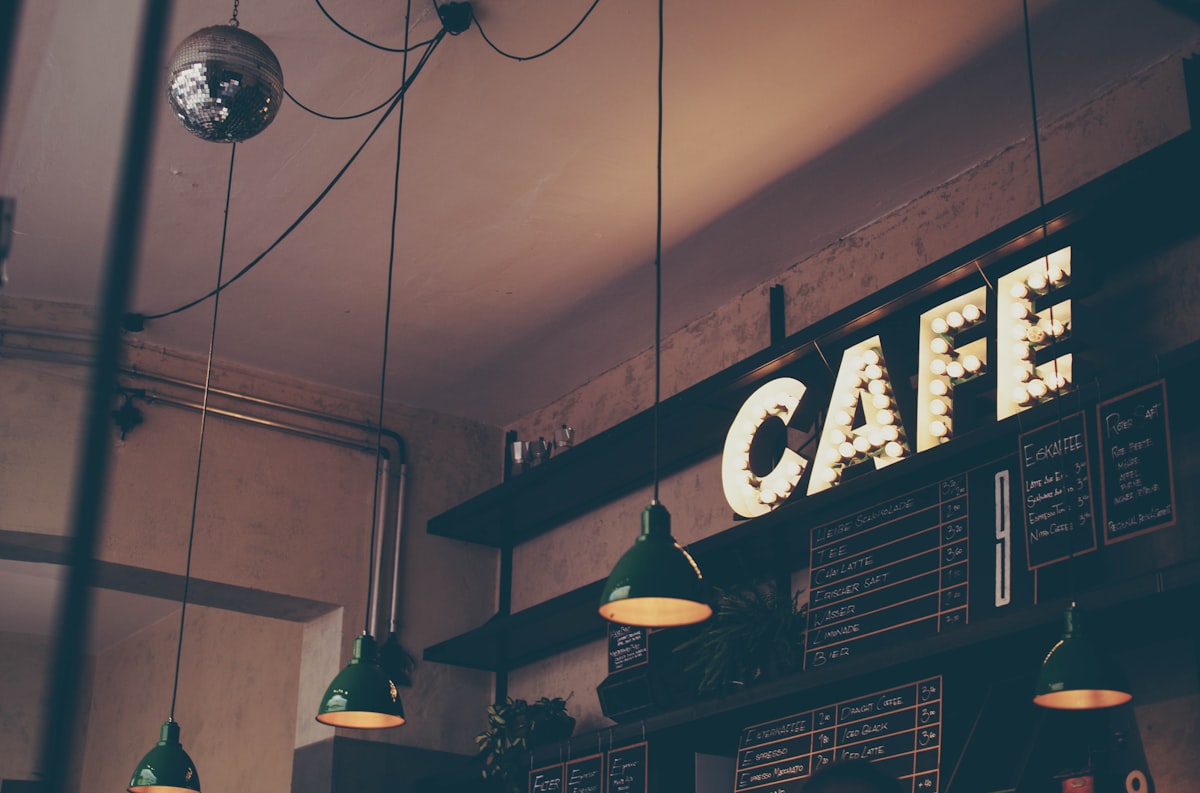
Coffee has been an integral part of Mexican culture for over two centuries. Introduced in the late 18th century, coffee cultivation quickly spread across the country's mountainous regions, transforming both the landscape and the daily rituals of millions of Mexicans.
The Origins of Coffee in Mexico
Coffee plants first arrived in Mexico in the late 1700s, brought by Spanish colonists from Cuba and the Caribbean. The volcanic highlands of Veracruz became one of the earliest cultivation areas, and by the mid-19th century, coffee had become one of Mexico's most important export crops. Large haciendas dominated production, but over time, small indigenous and mestizo farmers began cultivating their own plots.
Café de Olla: A Mexican Tradition
Perhaps no beverage represents Mexican coffee culture more than café de olla — a traditional preparation made in a clay pot with piloncillo (unrefined cane sugar) and cinnamon. This method dates back centuries and remains beloved in homes and markets throughout the country. The clay pot is said to add a subtle earthy flavor that enhances the coffee's natural sweetness.
"Café de olla is more than a drink — it's a connection to our roots, to the kitchens of our grandmothers, to the heart of Mexico."
The Modern Third-Wave Movement
In the last two decades, Mexico has experienced a coffee renaissance. The third-wave movement — which treats coffee as an artisanal product rather than a commodity — has taken root in cities like Mexico City, Guadalajara, and Oaxaca. Specialty cafés now dot urban neighborhoods, offering single-origin pour-overs, cold brews, and expertly crafted espresso drinks.
Key Milestones
- Late 1700s: Coffee plants arrive in Mexico from the Caribbean
- Mid-1800s: Coffee becomes a major export crop
- 1900s: Small farmers gain land through agrarian reform
- 1980s: Organic and fair-trade movements begin
- 2000s: Third-wave specialty cafés emerge in major cities
- 2020s: Mexico recognized as a world-class specialty origin
Cultural Significance
Coffee in Mexico is more than a beverage — it's a social ritual. From the morning café con leche shared at family breakfasts to the afternoon espresso at a local café, coffee punctuates daily life. Markets across the country sell freshly ground beans, and traditional coffee ceremonies continue to be part of indigenous celebrations in states like Oaxaca and Chiapas.
"Every cup of Mexican coffee carries within it the history of a nation, the labor of generations, and the warmth of community."
At Hellcloud, we honor this rich tradition while embracing innovation. Our menu bridges the old and the new — from classic café de olla to cutting-edge brewing techniques — all made with the finest Mexican beans.