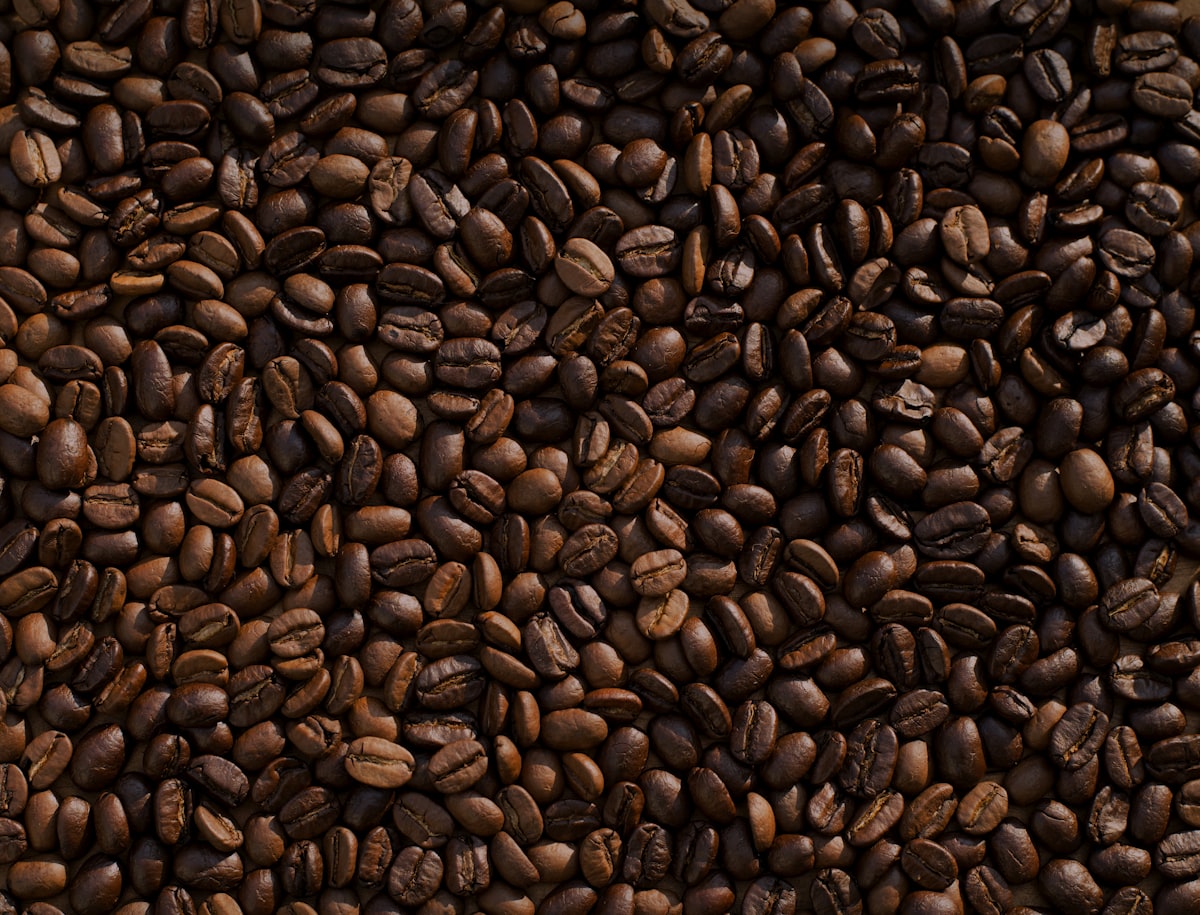
Mexico's coffee landscape is as diverse as its culture. Spanning tropical lowlands and volcanic highlands, the country's geography gives rise to an extraordinary range of flavors that have earned Mexico a place among the world's top specialty coffee origins.
Understanding Terroir
Terroir — the combination of soil, climate, altitude, and farming practices — is what makes each coffee region unique. In Mexico, the interplay of volcanic soil, tropical humidity, and elevation creates conditions that are ideal for growing Arabica coffee with complex flavor profiles.
Chiapas: The Powerhouse
Chiapas produces roughly 40% of Mexico's coffee. The Soconusco and Sierra Madre regions are particularly renowned for their high-altitude farms growing at 1,200 to 1,800 meters. Expect bright acidity, medium body, and tasting notes of dark chocolate, orange zest, and stone fruit. Many farms here are certified organic and Rainforest Alliance verified.
Oaxaca: The Artisan Origin
Oaxaca's Pluma Hidalgo region is legendary among coffee connoisseurs. The combination of shade-grown cultivation, volcanic soil, and elevations up to 1,700 meters produces coffees with exceptional complexity — think floral aromatics layered with walnut, dark honey, and a silky mouthfeel. Most farms are small, family-run operations.
"Oaxacan coffee is like the mezcal of the coffee world — complex, artisanal, and deeply rooted in tradition."
Veracruz: The Classic
Veracruz has been growing coffee since the 1800s, making it one of Mexico's oldest coffee regions. The Coatepec area produces beans known for their sweetness, low acidity, and full body. Notes of caramel, brown sugar, and toasted nuts make Veracruz beans particularly well-suited for espresso preparations.
Puebla: The Hidden Gem
The cloud forests of Cuetzalan in Puebla offer unique growing conditions — constant fog, rich biodiversity, and indigenous farming traditions. Coffee grown here at 1,000 to 1,400 meters under shade canopy develops mild acidity, delicate sweetness, and notes of honey and almond. It's an origin that deserves far more attention than it currently receives.
Comparing Mexican Regions
- Highest altitude: Chiapas (up to 1,800m)
- Most complex: Oaxaca (floral, nutty, smooth)
- Best for espresso: Veracruz (sweet, full body)
- Most unique: Puebla (shade-grown, honey notes)
"The beauty of Mexican coffee is its diversity — there's a region and a flavor for every palate."
At Hellcloud, we rotate our single-origin offerings to highlight the best seasonal coffees from each region. Ask our baristas which region is currently featured and discover a new favorite.